Monday, 8 November 2010
to all honourable readers...
im soory for not updating my blog...im quick buzy in the past three month...and i will updating as soon as possible...and i wish we all have a good day and thanks you for supporting me and continueing reading my blog and leave a comment for me to increasing my work...thanks you and have a nice days...

Sunday, 5 September 2010
Monarchy today part 2

H.M Emperor Akihito and Empress Michiko of Japan
 H.M King Bhumibol Adulyadej and Queen Sirikit of Thailand
H.M King Juan Carlos and Queen Sophia of Spain
 H.M King Harald and Queen Sonja of Norway
  H.M Queen Beatrix of Netherland
 H.M Queen Margrethe and HRH royal consort..Queen Of Denmark
H.M Queen Elizabeth II and Prince Philip Duke of Edinburgh.. Queen of United Kingdom, Australia, New Zealand and other countries (12)
Saturday, 4 September 2010
Monarchy today part 1
Constitutional monarchies with ceremonial monarchs
Andorra[11]
Antigua and Barbuda[12]
Australia[12]
Bahamas[12]
Barbados[12]
Belgium
Belize[12]
Cambodia
Canada[12]
Denmark
Grenada[12]
Jamaica[12]
Japan
Lesotho
Luxembourg
Malaysia
Netherlands
New Zealand[12]
Norway
Papua New Guinea[12]
Saint Kitts and Nevis[12]
Saint Lucia[12]
Saint Vincent and the Grenadines[12]
Solomon Islands[12]
Spain
Sweden
Thailand
Tuvalu[12]
United Kingdom[12]
Constitutional monarchies with active monarchs
The prime minister is the nation's active executive but the monarch still has considerable political powers that can be used at their own discretion.
Bahrain
Bhutan
Jordan
Kuwait
Liechtenstein
Monaco
Morocco
Tonga
United Arab Emirates[13]
Absolute monarchies
Specifically, monarchies in which the monarch's exercise of power is unconstrained by any substantive constitutional law.
Brunei
Oman
Qatar
Saudi Arabia
Swaziland
Vatican City[14]
Andorra[11]
Antigua and Barbuda[12]
Australia[12]
Bahamas[12]
Barbados[12]
Belgium
Belize[12]
Cambodia
Canada[12]
Denmark
Grenada[12]
Jamaica[12]
Japan
Lesotho
Luxembourg
Malaysia
Netherlands
New Zealand[12]
Norway
Papua New Guinea[12]
Saint Kitts and Nevis[12]
Saint Lucia[12]
Saint Vincent and the Grenadines[12]
Solomon Islands[12]
Spain
Sweden
Thailand
Tuvalu[12]
United Kingdom[12]
Constitutional monarchies with active monarchs
The prime minister is the nation's active executive but the monarch still has considerable political powers that can be used at their own discretion.
Bahrain
Bhutan
Jordan
Kuwait
Liechtenstein
Monaco
Morocco
Tonga
United Arab Emirates[13]
Absolute monarchies
Specifically, monarchies in which the monarch's exercise of power is unconstrained by any substantive constitutional law.
Brunei
Oman
Qatar
Saudi Arabia
Swaziland
Vatican City[14]
SIMPLE CHEESE CAKE
This cheesecake can be topped with any flavor of canned pie filling for a finishing touch. From start to serving time, it takes a little over an hour. For a chocolate version, see Fastest Chocolate Cheesecake. This is a soft-set cheesecake; it does not have the texture of a baked cheesecake.
Ingredients:
· 8 ounce package cream cheese, softened
· 3 ounce package cream cheese, softened
· 14 oz. can sweetened condensed milk (NOT evaporated)
· 1/3 cup lemon juice
· 1 9" graham cracker or chocolate cookie pie crust
Preparation:
In medium bowl beat cream cheese until smooth and fluffy. Gradually add the sweetened condensed milk, beating constantly. When half of the milk has been added, add the lemon juice and beat until smooth. Add remaining sweetened condensed milk until mixture is smooth. Pour into graham cracker crust and chill at least one hour. 8 servings
Note: Please make sure you are using sweetened condensed milk, NOT evaporated milk, in this recipe. I have made this cheesecake many times and it has always set up perfectly. The mixture should already be thick when you pour it into the crust; if it is thin at this point, you used the wrong kind of milk.
And do NOT use low fat or nonfat cream cheese or sweetened condensed milk; the recipe will not work. And of course the recipe works -try and enjoy it....
Ingredients:
· 8 ounce package cream cheese, softened
· 3 ounce package cream cheese, softened
· 14 oz. can sweetened condensed milk (NOT evaporated)
· 1/3 cup lemon juice
· 1 9" graham cracker or chocolate cookie pie crust
Preparation:
In medium bowl beat cream cheese until smooth and fluffy. Gradually add the sweetened condensed milk, beating constantly. When half of the milk has been added, add the lemon juice and beat until smooth. Add remaining sweetened condensed milk until mixture is smooth. Pour into graham cracker crust and chill at least one hour. 8 servings
Note: Please make sure you are using sweetened condensed milk, NOT evaporated milk, in this recipe. I have made this cheesecake many times and it has always set up perfectly. The mixture should already be thick when you pour it into the crust; if it is thin at this point, you used the wrong kind of milk.
And do NOT use low fat or nonfat cream cheese or sweetened condensed milk; the recipe will not work. And of course the recipe works -try and enjoy it....
Thursday, 2 September 2010
Saturday, 20 February 2010
Sunday, 17 January 2010
Thursday, 14 January 2010
Tuesday, 29 December 2009
Ten Things We Waste
Ten Things We Waste
(based on a lesson of Ibn Qayyim al-Jawziyyah)
1. --Our Knowledge-- Wasted by not taking action with it.
2. --Our Actions-- Wasted by committing them with out sincerity.
3. --Our Wealth-- Wasted by using on things that will not bring us ajr. We waste our money, our status, our authority, on things which have no benefit in this life or in akhirah.
4. --Our Hearts-- Wasted because they are empty from the love of Allah, and the feeling of longing to go to Him, and a feeling of peace and contentment. In it's place, our hearts are filled with something or someone else.
5. --Our Bodies-- Wasted because we don't use them in ibadah and service of Allah
6. --Our Love-- Our emotional love is misdirected, not towards Allah, but towards something/someone else.
7. --Our Time-- Wasted, not used properly, to compensate for that which has passed, by doing what is righteous to make up for past deeds
8. --Our Intellect-- Wasted on things that are not beneficial, that are detremental to society and the individual, not in contemplation or reflection.
9. --Our Service-- Wasted in service of someone who will not bring us closer to Allah, or benefit in dunyaa
10. --Our Dhikr-- Wasted, because it does not effect us or our hearts.
(based on a lesson of Ibn Qayyim al-Jawziyyah)
1. --Our Knowledge-- Wasted by not taking action with it.
2. --Our Actions-- Wasted by committing them with out sincerity.
3. --Our Wealth-- Wasted by using on things that will not bring us ajr. We waste our money, our status, our authority, on things which have no benefit in this life or in akhirah.
4. --Our Hearts-- Wasted because they are empty from the love of Allah, and the feeling of longing to go to Him, and a feeling of peace and contentment. In it's place, our hearts are filled with something or someone else.
5. --Our Bodies-- Wasted because we don't use them in ibadah and service of Allah
6. --Our Love-- Our emotional love is misdirected, not towards Allah, but towards something/someone else.
7. --Our Time-- Wasted, not used properly, to compensate for that which has passed, by doing what is righteous to make up for past deeds
8. --Our Intellect-- Wasted on things that are not beneficial, that are detremental to society and the individual, not in contemplation or reflection.
9. --Our Service-- Wasted in service of someone who will not bring us closer to Allah, or benefit in dunyaa
10. --Our Dhikr-- Wasted, because it does not effect us or our hearts.
Symptoms Of the Heart's Sickness
Bismillahir*RaHmanir*RaHeem
"He it is Who sent down As-Sakinah (calmness and tranquillity)into the hearts of the believers, that they may grow more inFaith along with their (present) Faith. And to Allah belong thehosts of the heavens and the earth, and Allah is Ever Al-Knower,All-Wise." Al-Quran: Surah 48: Al-Fath ayat4.
Four-Symptoms Of the Heart's Sickness & Signs of Its Health
Bismillaahir-RaHmaanir-RaHeem*
The Signs of a Sick Heart**
A servant's heart may be ill, and seriously deteriorating, while he remains oblivious of itscondition. It may even die without him realising it. Thesymptoms of its sickness, or the signs of its death, are thatits owner is not aware of the harm that results from the damagecaused by wrong actions, and is unperturbed by his ignorance ofthe truth or by his false beliefs. Since the living heart experiences pain as a result of any ugliness that it encounters and through itsrecognising its ignorance of the truth (to a degree thatcorresponds to its level of awareness), it is capable ofrecognising the onset of decay-and the increase in the severityof the remedy that will be needed to stop it-but then sometimesit prefers to put up with the pain rather than undergo thearduous trial of the cure! Some of the many signs of the heart's sickness if its turning away from good foods to harmful ones, from goodremedies to shameful sickness. The healthy heart prefers whatis beneficial and healing to what is harmful and damaging; thesick heart prefers the opposite. The most beneficial sustenancefor the heart is faith and the best medicine is the Qur'an.
The Signs of a Healthy Heart
For the heart to be heality it should depart from this life and arrive in the next, and then settle there as ifit were one of its people; it only came to this life as apasser-by, taking whatever provisions it needed and thenreturning home. As the Prophet, may Allah bless him and granthim peace, said to Abdullah ibn Umar, "Be in this world as ifyou were a stranger or a passer-by."1 The More diseased theheart is, the more it desires this world; it dwells in it untilit becomes like one of its people. The healthy heart continues to trouble its owner until he returns to Allah, and is at peace with Him, and joinsHim, like a lover driven by compulsion who finally reaches hisbeloved. Besides his love for Him he needs no other, and afterinvoking Him no other invocations are needed. Serving Himprecludes the need to serve any other. If this heart misses its share of reciting the Qur'an and invoking Allah, or completing one of the prescribedacts of worship, then its owner suffers more distress than acautious man who suffers because of the loss of money or amissed opportunity to make it. It longs to serve, just as afamished person longs for food and drink. Yahya ibn Mu'adh said: "Whoever is pleased with serving Allah, everything will be pleased to serve him; andwhoever finds pleasure in contemplating Allah, all the peoplewill find pleasure in contemplating him." This heart has only one concern: that all its actions, and its inner thoughts and utterances, are obedient toAllah. It is more careful with its time than the meanest peopleare with their money, so that it will not be spent wastefully.When it enters into the prayer, all its worldly worries andanxieties vanish and it finds its comfort and bliss in adoringits Lord. It does not cease to mention Allah, nor tire ofserving Him, and it finds intimate company with no-one save aperson who guides it to Allah and reminds it to Him. Its attention to the correctness of its action is greater than its attention to the action itself. It isscrupulous in making sure that the intentions behind its actionsare sincere and pure and that they result in good deeds. As well as and in spite of all this, it not only testifies to the generosity of Allah in giving it theopportunity to carry out such actions, but also testifies to itsown imperfection and shortcomings in executing them.
The Causes of Sickness ofthe Heart
The temptations to which the heart is exposed are what cause its sickness. These are the temptations of desiresand fancies. The former cause intentions and the will to becorrupted, and the latter cause knowledge and belief to falter. Hudhayfa ibn al-Yamani, may Allah be pleased with him, said: "The Messenger of Allah *saaws* said, "Temptationsare presented to the heart, one by one. Any heart that acceptsthem will be left with a black stain, but any heart that rejectsthem will be left with a mark of purity, so that hearts are oftwo types: a dark heart that has turned away and becom like anoverturned vessel, and a pure heart that will never be harmed bytemptation for as long as the earth and the heavens exist. Thedark heart only recognises good and denounces evil when thissuits its desires and whims." 2 He, may Allah bless him and grant him peace, placed hearts, when exposed to temptation, into twocategories:::---->First, a heart which, when it is exposed to temptation,absorbs it like a sponge that soaks up water, leaving a blackstain in it. It continues to absorb each temptation that isoffered to it until it is darkened and corrupted, which is whathe meant by "like an overturned vessel". When this happens, twodangerous sicknesses take hold of it and plunge it into ruin: The first is that of its confusing good with evil, to such an extent that it does not recognise the former anddoes not denounce the latter. This sickness may even gain holdof it to such an extent that it believes good to be evil andvice-versa, the sunnah to be bida' and vice-versa, the truth tobe false and falsity to be the truth.
The second is that of its setting up its desires as its judge, over and above what the Prophet *saaws* taught,so that it is enslaved and led by its whims and fancies.----->Second, a pure heart which the light of faith is brightand from which its radiance shines. When temptation is presentedto pure hearts such this, they oppose it and reject it, and sotheir light and illumination only increase
Notes: 1. Al-Bukhari, Kitab ar-Riqaq, 11/233. 2. Muslim, Kitabal-Iman, 2/170 (with different wording). --------=-The Purification of the Soul-=--------------------- from the works of Ibn Rajab Al-Hanbabli, Ibn Al-Qayyim al-Jawziyaa, and Abu Hamid al-Ghazali~
"He it is Who sent down As-Sakinah (calmness and tranquillity)into the hearts of the believers, that they may grow more inFaith along with their (present) Faith. And to Allah belong thehosts of the heavens and the earth, and Allah is Ever Al-Knower,All-Wise." Al-Quran: Surah 48: Al-Fath ayat4.
Four-Symptoms Of the Heart's Sickness & Signs of Its Health
Bismillaahir-RaHmaanir-RaHeem*
The Signs of a Sick Heart**
A servant's heart may be ill, and seriously deteriorating, while he remains oblivious of itscondition. It may even die without him realising it. Thesymptoms of its sickness, or the signs of its death, are thatits owner is not aware of the harm that results from the damagecaused by wrong actions, and is unperturbed by his ignorance ofthe truth or by his false beliefs. Since the living heart experiences pain as a result of any ugliness that it encounters and through itsrecognising its ignorance of the truth (to a degree thatcorresponds to its level of awareness), it is capable ofrecognising the onset of decay-and the increase in the severityof the remedy that will be needed to stop it-but then sometimesit prefers to put up with the pain rather than undergo thearduous trial of the cure! Some of the many signs of the heart's sickness if its turning away from good foods to harmful ones, from goodremedies to shameful sickness. The healthy heart prefers whatis beneficial and healing to what is harmful and damaging; thesick heart prefers the opposite. The most beneficial sustenancefor the heart is faith and the best medicine is the Qur'an.
The Signs of a Healthy Heart
For the heart to be heality it should depart from this life and arrive in the next, and then settle there as ifit were one of its people; it only came to this life as apasser-by, taking whatever provisions it needed and thenreturning home. As the Prophet, may Allah bless him and granthim peace, said to Abdullah ibn Umar, "Be in this world as ifyou were a stranger or a passer-by."1 The More diseased theheart is, the more it desires this world; it dwells in it untilit becomes like one of its people. The healthy heart continues to trouble its owner until he returns to Allah, and is at peace with Him, and joinsHim, like a lover driven by compulsion who finally reaches hisbeloved. Besides his love for Him he needs no other, and afterinvoking Him no other invocations are needed. Serving Himprecludes the need to serve any other. If this heart misses its share of reciting the Qur'an and invoking Allah, or completing one of the prescribedacts of worship, then its owner suffers more distress than acautious man who suffers because of the loss of money or amissed opportunity to make it. It longs to serve, just as afamished person longs for food and drink. Yahya ibn Mu'adh said: "Whoever is pleased with serving Allah, everything will be pleased to serve him; andwhoever finds pleasure in contemplating Allah, all the peoplewill find pleasure in contemplating him." This heart has only one concern: that all its actions, and its inner thoughts and utterances, are obedient toAllah. It is more careful with its time than the meanest peopleare with their money, so that it will not be spent wastefully.When it enters into the prayer, all its worldly worries andanxieties vanish and it finds its comfort and bliss in adoringits Lord. It does not cease to mention Allah, nor tire ofserving Him, and it finds intimate company with no-one save aperson who guides it to Allah and reminds it to Him. Its attention to the correctness of its action is greater than its attention to the action itself. It isscrupulous in making sure that the intentions behind its actionsare sincere and pure and that they result in good deeds. As well as and in spite of all this, it not only testifies to the generosity of Allah in giving it theopportunity to carry out such actions, but also testifies to itsown imperfection and shortcomings in executing them.
The Causes of Sickness ofthe Heart
The temptations to which the heart is exposed are what cause its sickness. These are the temptations of desiresand fancies. The former cause intentions and the will to becorrupted, and the latter cause knowledge and belief to falter. Hudhayfa ibn al-Yamani, may Allah be pleased with him, said: "The Messenger of Allah *saaws* said, "Temptationsare presented to the heart, one by one. Any heart that acceptsthem will be left with a black stain, but any heart that rejectsthem will be left with a mark of purity, so that hearts are oftwo types: a dark heart that has turned away and becom like anoverturned vessel, and a pure heart that will never be harmed bytemptation for as long as the earth and the heavens exist. Thedark heart only recognises good and denounces evil when thissuits its desires and whims." 2 He, may Allah bless him and grant him peace, placed hearts, when exposed to temptation, into twocategories:::---->First, a heart which, when it is exposed to temptation,absorbs it like a sponge that soaks up water, leaving a blackstain in it. It continues to absorb each temptation that isoffered to it until it is darkened and corrupted, which is whathe meant by "like an overturned vessel". When this happens, twodangerous sicknesses take hold of it and plunge it into ruin: The first is that of its confusing good with evil, to such an extent that it does not recognise the former anddoes not denounce the latter. This sickness may even gain holdof it to such an extent that it believes good to be evil andvice-versa, the sunnah to be bida' and vice-versa, the truth tobe false and falsity to be the truth.
The second is that of its setting up its desires as its judge, over and above what the Prophet *saaws* taught,so that it is enslaved and led by its whims and fancies.----->Second, a pure heart which the light of faith is brightand from which its radiance shines. When temptation is presentedto pure hearts such this, they oppose it and reject it, and sotheir light and illumination only increase
Notes: 1. Al-Bukhari, Kitab ar-Riqaq, 11/233. 2. Muslim, Kitabal-Iman, 2/170 (with different wording). --------=-The Purification of the Soul-=--------------------- from the works of Ibn Rajab Al-Hanbabli, Ibn Al-Qayyim al-Jawziyaa, and Abu Hamid al-Ghazali~
Monday, 9 November 2009
Malaysia King and Queen since 1957 - present
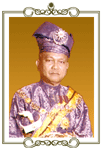
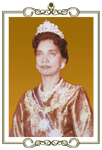 1st Yang Dipertuan Agung ( H.M the King and Queen )31 AUGUST 1957 - 1 APRIL 1960)
the Yang Dipertuan Besar of Negeri Sembilan
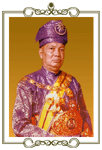
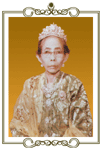 2nd H.M The King and Queen (14 APRIL 1960 – 1 SEPTEMBER 1960) The Sultan of Selangor

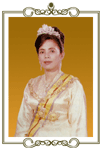

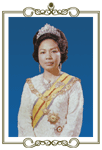 4th H.M The King and Queen (21 September 1965 – 20 September 1970) THE SULTAN OF TERENGGANU
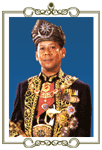
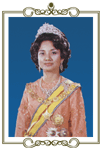 5th H.M The King and Queen (21 September 1970 – 20 September 1975) THE SULTAN OF KEDAH
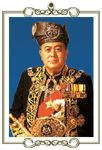
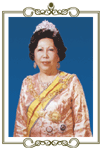

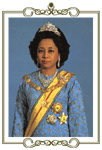
2nd H.M The King and Queen (14 APRIL 1960 – 1 SEPTEMBER 1960) The Sultan of Selangor3rd H.M The King and Queen (21 September 1960 – 20 September 1965)The Raja of Perlis
4th H.M The King and Queen (21 September 1965 – 20 September 1970) THE SULTAN OF TERENGGANU5th H.M The King and Queen (21 September 1970 – 20 September 1975) THE SULTAN OF KEDAH 6th H.M The King and Queen ( 21 September 1975 – 29 March 1979) THE SULTAN OF KELANTAN
7th H.M The King and Queen (26 April 1979 – 25 April 1984) THE SULTAN OF PAHANG
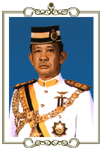
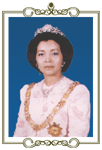
8th H.M The King and Queen (26 April 1984 – 25 April 1989) THE SULTAN OF JOHOR
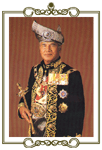
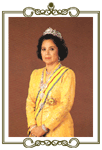

 10th H.M The King and Queen (26 April 1994 – 25 April 1999) THE YANG DI-PERTUAN BESAR OF NEGERI SEMBILAN
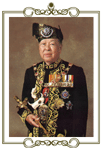
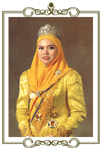
11th H.M The King and Queen ( 26 April 1999 – 21 November 2001) THE SULTAN OF SELANGOR
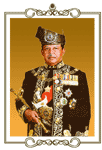

12nd H.M The King and Queen (13 December 2001 – 12 December 2006) THE RAJA OF PERLIS
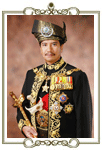
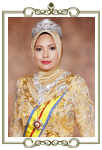
13th H.M The King and Queen (13 December 2006 - present ) THE SULTAN OF TERENGGANU
The Position Of The Yang di-Pertuan Agong
8th H.M The King and Queen (26 April 1984 – 25 April 1989) THE SULTAN OF JOHOR
9th H.M The King and Queen (26 April 1989 –25 April 1994) THE PADUKA SERI SULTAN OF PERAK
10th H.M The King and Queen (26 April 1994 – 25 April 1999) THE YANG DI-PERTUAN BESAR OF NEGERI SEMBILAN11th H.M The King and Queen ( 26 April 1999 – 21 November 2001) THE SULTAN OF SELANGOR
12nd H.M The King and Queen (13 December 2001 – 12 December 2006) THE RAJA OF PERLIS
13th H.M The King and Queen (13 December 2006 - present ) THE SULTAN OF TERENGGANU
The Position Of The Yang di-Pertuan Agong
The Order of Precedence presently used is the twentieth Federal Order of Precedence. This order of precedence was gazetted and came into force on the 22nd January 1998 vide Government of Malaysia’s gazette Volume 42 No P.U. (B) 29 dated 22nd January 1998. It lists the 70 positions in the following order of precedence:
-Yang di-Pertuan Agong.
-Raja Permaisuri Agong.
-Rulers and Acting Rulers.
-Yang Dipertua Negeri.
-Former Raja Permaisuri Agong receiving Royal pension from the Federal Government.
-Prime Minister.
-Deputy Prime Minister. Courtesy – 7A. Heir Apparent (Tengku Mahkota/ Raja Muda).
-Members of the Darjah Utama Seri Mahkota Negara (D.M.N.).
-Members of the Seri Maharaja Mangku Negara (S.M.N.).
-Members of the Seri Setia Mahkota (S.S.M.) Courtesy — 10A. The Four Dato Undang of Negeri Sembilan and Tengku Besar Tampin, Negeri Sembilan.
-Chief Justice of the Federal Court.
-President of the Senate.
-Speaker of the House of Representatives.
-Former Prime Ministers.
-Former Deputy Prime Ministers.
-Members of the Cabinet.
-Secretary to the Cabinet Chief Secretary to the Government. Courtesy – 17A. Menteri Besar -and Chief Ministers.
-Attorney General.
-Chief of the Armed Forces Staff.
-Inspector-General of Police.
-Director-General of Public Services.
-Deputy Ministers.
-Deputy President of the Senate and Deputy Speaker of the House of Representatives.
-High Commissioners, Ambassadors, Minister Envoys, Acting High Commissioners and Charge de’ Affaires.
-President of the Court of Appeal.
-Chief Judge of the High Court in Malaya.
-Chief Judge of the High Court in Sabah and Sarawak.
-Opposition Leader in Parliament.
-Judges of the Federal Court.
-Judges of the Court of Appeal.
-Parliamentary Secretary.
-Former Chief Secretary to the Government.
-Staff I, II and III officers.
-Former Attorney Generals, Former Chief of the Armed Forces Staff and Former Chief of the Inspector-General of Police.
-Chairman of Commissions established under the Federal Constitution.
-Judges of the High Court.
-Chairman of the Public Services Tribunal.
-Judicial Commissioners.
-Auditor General.
-Governor of Bank Negara.
-Mayor of Kuala Lumpur.
-Chairman of the Government Official Function.
-Mufti of the Federal Territory of Kuala Lumpur.
-Keeper of the Rulers’ Seal.
-Grand Chamberlain.
-Members of the Panglima Mangku Negara (P.M.N.).
-Members of the Panglima Setia Mahkota (P.S.M.).
-Royal Professors.
-Members of the Panglima Jasa Negara. (P.J.N.)
-Members of the Panglima Setia DiRaja (P.S.D.) Courtesy - 50A. Deputy Menteri Besar/Deputy -Chief Ministers. Courtesy - 50B. Speaker of the State Legislative Assemblies.
-Members of the Senate.
-Members of the House of Representatives.
-Grade ‘A’ Officers and Military and Police officers of equivalent rank.
-Chief of General Staff.
-Chief of Naval Staff.
-Chief of Air Staff.
-Deputy Inspector-General of Police.
-Secretary-Generals of Ministries.
-Vice-Chancellors of Universities. Courtesy - 59A. Members of the State Executive Councils and State Ministers in Sabah/Sarawak.
-Grade ‘B’ officers and Military and Police officers of equivalent rank.
-Chairman of Federal Statutory Bodies and Heads of Federal Statutory Bodies equivalent to Grade ‘B’ and above. Courtesy - 61A. Recipients of National Fellowship awards.
-Local Representatives of the United Nations.
-Grade ‘C’ officers, Military and Police officers and Heads of Federal Statutory Bodies of equivalent rank. Courtesy—63A. Members of the State Legislative Assemblies.
-Members of the Johan Mangku Negara (J.M.N.).
-Members of the Johan Setia Mahkota (J.S.M.).
-Members of the Johan Setia DiRaja (J.S.D.).
-Grade 1 officers, Military and Police officers and Heads of Federal Statutory Bodies of equivalent rank.
-Political Secretaries.
-Grade II officers and Military and Police services officers of equivalent rank.
-Consul-General of countries not having diplomatic representation in Malaysia.
Other Important Duties Of The Yang di-Pertuan Agong
Supreme Commander of the Armed ForcesHis Majesty the Yang di-Pertuan Agong is the Supreme Commander Of the Armed Forces as provided for in Article 41 as follows:
"41. Supreme command of the armed forces.
The Yang di-Pertuan Agong shall be the Supreme Commander of the armed forces of the Federation."
Power of Pardon
The Yang di-Pertuan Agong is also seen as the fountain of mercy. He is vested with the power to grant pardons and reprieves in respect of offences triable by court-martial and all offences committed in the Federal Territories of Kuala Lumpur and Labuan. This is provided for in Article 42 of the Federal Constitution as follows:
"42. Power of Pardon, etc.
(1) The Yang di-Pertuan Agong has power to grant pardons, reprieves and respites in respect of all offences which have been tried by court-martial and all offences committed in the Federal Territories of Kuala Lumpur, Labuan and Putrajaya; and the Ruler or Governor of a State has power to grant pardons, reprieves and respites in respect of all other offences committed in his State."
(2) Subject to Clause (10), and without prejudice to any provision of federal law relating to remission of sentences for good conduct or special services, any power conferred by federal or State law to remit, suspend or commute sentences for any offence shall be exercisable by the Yang di-Pertuan Agong if the sentence was passed by a court-martial or by a civil court exercising jurisdiction in the Federal Territories of Kuala Lumpur, Labuan and Putrajaya and in any other case shall be exercisable by the Ruler or Governor of the State in which the offence was committed.
(3) Where an offence was committed wholly or partly outside the Federation or in more than one State or in circumstances which make it doubtful where it was committed, it shall be treated for the purposes of this Article as having been committed in the State in which it was tried. For the purpose of this Clause the Federal Territory of Kuala Lumpur, the Federal Territory of Labuan and the Federal Territory of Putrajaya, as the case may be, shall each be regarded as a State.
(4) The powers mentioned in this Article:
(a) are, so far as they are exercisable by the Yang di-Pertuan Agong, among functions with respect to which federal law may make provision under Clause (3) of Article 40;(b) shall, so far as they are exercisable by the Ruler or Governor of a State, be exercised on the advice of a Pardons Board constituted for that State in accordance with Clause (5).
(5) The Pardons Board constituted for each State shall consist of the Attorney General of the Federation, the Chief Minister of the State and not more than three other members, who shall be appointed by the Ruler or the Governor but the Attorney General may from time to time by instrument in writing delegate his functions as a member of the Board to any other person, and the Ruler or Governor may appoint any person to exercise temporarily the functions of any member of the Board appointed by him who is absent or unable to act.
(6) The members of a Pardons Board appointed by the Ruler or Governor shall be appointed for a term of three years and shall be eligible for reappointment, but may at any time resign from the Board.
(7) A member of the Legislative Assembly of a State or of the House of Representatives shall not be appointed by the Ruler or Governor to be a member of a Pardons Board or to exercise temporarily the functions of such a member.
(8) The Pardons Board shall meet in the presence of the Ruler or Governor and he shall preside over it.
(9) Before tendering their advice on any matter a Pardons Board shall consider any written opinion which the Attorney General may have delivered thereon.
(10) Notwithstanding anything in this Article, the power to grant pardons, reprieves and respites in respect of, or to remit, suspend or commute sentences imposed by any court established under any law regulating Islamic religious affairs in the State of Malacca, Penang, Sabah or Sarawak or the Federal Territories of Kuala Lumpur, Labuan and Putrajaya shall be exercisable by the Yang di-Pertuan Agong as Head of the religion of Islam in the State.
(11) For the purpose of this Article, there shall be constituted a single Pardons Board for the Federal Territories of Kuala Lumpur, Labuan and Putrajaya and the provisions of Clauses (5), (6), (7), (8) and (9) shall apply mutatis mutandis to the Pardons Board under this Clause except that reference to “Ruler or Yang di-Pertua Negeri” shall be construed as reference to the Yang di-Pertuan Agong and reference to “Chief Minister of the State” shall be construed as reference to the Minister responsible for the Federal Territories of Kuala Lumpur, Labuan and Putrajaya.
(12) Notwithstanding anything contained in this Constitution, where the powers mentioned in this Article:
(a) are exercisable by the Yang di-Pertua Negeri of a State and are to be exercised in respect of himself or his wife, son or daughter, such powers shall be exercised by the Yang di- Pertuan Agong acting on the advice of the Pardons Board constituted for that State under this Article and which shall be presided over by him;
(b) are to be exercised in respect of the Yang di-Pertuan Agong, the Ruler of a State, or his Consort, as the case may be, such powers shall be exercised by the Conference of Rulers and the following provisions shall apply:
(i) when attending any proceedings under this Clause, the Yang di-Pertuan Agong shall not be accompanied by the Prime Minister and the other Rulers shall not be accompanied by their Menteri-Menteri Besar;(ii) before arriving at its decision on any matter under this Clause, the Conference of Rulers shall consider any written opinion which the Attorney General may have delivered thereon;
(c) are to be exercised by the Yang di-Pertuan Agong or the Ruler of a State in respect of his son or daughter, as the case may be, such powers shall be exercised by the Ruler of a State nominated by the Conference of Rulers who shall act in accordance with the advice of the relevant Pardons Board constituted under this Article.
(13) For the purpose of paragraphs (b) and (c) of Clause (12), the Yang di-Pertuan Agong or the Ruler of the States concerned, as the case may be, and the Yang di-Pertua Negeri shall not be members of the Conference of Rulers.
The Special Position of the Malays and Natives of Sabah and Sarawak
One of the important duties of the Yang di-Pertuan Agong is to safeguard the special position of the Malays and natives of Sabah and Sarawak. This is clearly stated in Article 153 (1) of the Federal Constitution as follows:
"153. Reservation of quotas in respect of services, permits etc.,
for Malays and natives of any of the States of Sabah and Sarawak.(1) It shall be the responsibility of the Yang di-Pertuan Agong to safeguard the special position of the Malays and natives of any of the States of Sabah and Sarawak and the legitimate interests of other communities in accordance with the provisions of this Article.”
Symbol of Honour and Dignity
His Majesty the Yang di-Pertuan Agong is seen as the symbol of honour and dignity. He confers awards and honours on citizens and non-citizens, and honours of the highest distinction on foreign heads of states during the investiture ceremony held in conjunction with His Majesty’s birthday.
Diplomatic Functions
As the Head of State the Yang di-Pertuan Agong appoints diplomats to serve in foreign countries and grants audience to foreign diplomats who are to serve in Malaysia before undertaking their duties.
Apart from performing his day-to-day functions and duties His Majesty also graces various social gatherings and official ceremonies.
Tuesday, 3 November 2009
Malaysia Monarchy

His Majesty Seri Paduka Baginda Yang di-Pertuan Agong Sultan Mizan Zainal Abidin signing Letter of Oath at the Oath Taking Ceremony as the 13th Yang di-Pertuan Agong on 13 December 2006.
HEAD OF STATE AND RULERS OF THE STATES
The office of the King is not hereditary. Malaysia practices a system of government based on Constitutional Monarchy and Parliamentary Democracy at two levels, Federal and State levels. At the Federal level the head of State is the King and the head of government is the Prime Minister. At the state level the head (Ruler) of State is either the Sultan, Raja, or Yang di-Pertuan Besar, and the Yang di-Pertua Negeri is the head of State where there are no Rulers: the Chief Ministers (Menteri Besar/Ketua Menteri) are the heads of government.
CONFERENCE OF RULERS
In accordance with the Malaysian Constitution, the power to elect and appoint the Yang di-Pertuan Agong is vested with the Conference of Rulers. In the federation system of government (as practiced in Malaysia) where a number of state Rulers are involved, a council known as the Conference of Rulers, was instituted under Article 38 of the Federal Constitution to serve as a forum for the Rulers and Governors (Yang Dipertua Negeri) to meet and deliberate. On certain matters the Federal Constitution provides that the government seek advice from the Conference of Rulers.
GOVERNMENT’S ADVICE
The monarchy is seen as a symbol of power, authority, and government. It is embodiment of strength, protection and justice for the people and personifies their love and loyalty towards the country. In countries, which practice parliamentary democracy and constitutional monarchy, the power of the people is conveyed through Parliament which in turn delegates its executive power to the Cabinet. In Malaysia, whatever action is taken by an authority is executed in the name of the Yang di-Pertuan Agong who acts on the advice of the Government.

His Majesty Seri Paduka Baginda Al-Wathiqu Billah Tuanku Mizan Zainal Abidin Ibni Al-Marhum Sultan Mahmud Al-Muktafi Billah Shah is holding the official keris at the Installation Ceremony of the XIII Yang di-Pertuan Agong on 26 April 2007 at the Istana Negara.
Article 32(1) of the Federal Constitution provides that there shall be a Supreme Head of the Federation to be called the Yang di-Pertuan Agong. His Majesty shall take precedence over all persons in the Federation and shall not be liable to any proceedings whatsoever in any court except in the Special Court established under Part XV (Articles 182 and 183). The Constitution also provides that the Raja Permaisuri Agong shall take precedence next after the Yang di-Pertuan Agong. As the Head of State, His Majesty has wide powers as provided for in the Constitution. His Majesty has the prescribed roles and functions in the three branches of government, namely, the Executive, the Legislative and the Judiciary.
The Status Of The Yang di-Pertuan Agong and Timbalan Yang di-Pertuan Agong Under Malaysian Constitution

His Majesty Seri Paduka Baginda Al-Wathiqu Billah Tuanku Mizan Zainal Abidin Ibni Al-Marhum Sultan Mahmud Al-Muktafi Billah Shah kissing the Holy Quran in conjunction with his installation as the XIII Yang di-Pertuan Agong on 26 April 2007 at the Istana Negara.
Article 32 of the Federal Constitution provides the status of the Yang di-Pertuan Agong and Raja Permaisuri Agong as follows:
"32. Supreme Head of the Federation, and his Consort
(1) There shall be a Supreme Head of the Federation, to be called the Yang di-Pertuan Agong, who shall take precedence over all persons in the Federation and shall not be liable to any proceedings in any court except in the Special Court established under Part XV.
(2) The Consort of the Yang di-Pertuan Agong (to be called the Raja Permaisuri Agong) shall take precedence next after the Yang di-Pertuan Agong over all other persons in the Federation .
(3) The Yang di-Pertuan Agong shall be elected by the Conference of Rulers for a term of five years, but may at any time resign his office by writing under his hand addressed to the Conference of Rulers or shall be removed from office by the Conference of Rulers, and shall cease to hold office on ceasing to be a Ruler.
(4) The provisions of Part I and III of the Third Schedule shall apply to the election and removal of the Yang di-Pertuan Agong".
Article 33 of the Federal Constitution provides for the status of the Timbalan Yang di-Pertuan Agong as follows:
"33. Deputy Supreme Head of the Federation
(1) There shall be a Deputy Supreme Head of the Federation (to be called the Timbalan Yang di-Pertuan Agong) who shall exercise the functions and have the privileges of the Yang di-Pertuan Agong during any vacancy in the office of the Yang di-Pertuan Agong and during any period during which the Yang di-Pertuan Agong is unable to exercise the functions of his office owing to illness, absence from the Federation or any other cause, but the Timbalan Yang di-Pertuan Agong shall not exercise these functions during any inability or absence of the Yang di-Pertuan Agong which is expected to be less than fifteen days, unless the Timbalan Yang di-Pertuan Agong is satisfied that it is necessary or expedient to exercise such functions.
(2) The Timbalan Yang di-Pertuan Agong shall be elected by the Conference of Rulers for a term of five years, or if elected during the term for which the Yang di-Pertuan Agong was elected, for the remainder of that term, but may at any time resign his office by writing under his hand addressed to the Conference of Rulers and shall cease to hold office on ceasing to be a Ruler.
(3) If during the term for which the Timblan Yang di-Pertuan Agong was elected a vacancy occurs in the office of the Yang di-Pertuan Agong, his term shall expire on the cessation of the vacancy.
(4) The provisions of Part II of the Third Schedule shall apply to the election of the Timbalan Yang di-Pertuan Agong.
(5) Parliament may by law provide for the exercise by a Ruler of the functions of the Yang di-Pertuan Agong in cases where those functions would under Clause (1) fall to be exercised by the Timbalan Yang di-Pertuan Agong but cannot be so exercised owing to a vacancy in the office of the Yang di-Pertuan Agong or to his illness, absence from the Federation or to any other cause; but such a law shall not be passed without the consent of the Conference of Rulers.
Human Rights In Various Regions
It has been over 50 years since the United Nations (UN) Universal Declaration of Human Rights was signed by most governments in the world and yet the abuses continue to grow.
Freedom of Speech and Human Rights are taken for granted in the west, but recent years have seen conditions deteriorate around the world. As early as 1997 for example, Human Rights conditions were reported to remain unchanged compared to previous years, or in some countries, actually worsen, around the world. In 1998 for example, the UN reported that even though over a hundred governments had agreed to help outlaw some of the worse violations of rights, torture was still on the increase.
As the “New World Order” marched on towards the new century it did not look as bright and cheerful for most people as we would have imagined, or hoped, it to be.
With the war on terror triggered by the terrorist attacks in the United States on September 11, 2001, the situation for human rights seems to have deteriorated, with not only terrorists committing human rights violations, but also powerful governments who are sacrificing rights for security. Amnesty International, in its 2004 report noted the set back for international values of human rights:
There are so many examples of various countries, corporations and institutions violating human rights. Some are contributing to suppressing rights in other countries. Others are ignoring the plight of people in other countries whose rights are denied due to their own economic and political interests in those other countries.
Human rights include a variety of aspects, from civil and political rights, to socio-economic rights. (Interestingly, as the Human Development Report 2000 from the United Nations points out, during the Cold War, the rich western nations were arguing basically for civil and political rights, while the socialist countries, and some developing countries, were demanding more social and economic rights. Human rights then, was a propaganda tool with both sides using the same words, but for different reasons.)
Freedom of Speech and Human Rights are taken for granted in the west, but recent years have seen conditions deteriorate around the world. As early as 1997 for example, Human Rights conditions were reported to remain unchanged compared to previous years, or in some countries, actually worsen, around the world. In 1998 for example, the UN reported that even though over a hundred governments had agreed to help outlaw some of the worse violations of rights, torture was still on the increase.
As the “New World Order” marched on towards the new century it did not look as bright and cheerful for most people as we would have imagined, or hoped, it to be.
With the war on terror triggered by the terrorist attacks in the United States on September 11, 2001, the situation for human rights seems to have deteriorated, with not only terrorists committing human rights violations, but also powerful governments who are sacrificing rights for security. Amnesty International, in its 2004 report noted the set back for international values of human rights:
Violence by armed groups and increasing violations by governments have— Report 2004: War on global values, Amnesty International, May 26, 2004 (Link is to reposted version on this site)
combined to produce the most sustained attack on human rights and international
humanitarian law in 50 years. This was leading to a world of growing mistrust,
fear and division.
… Amnesty International strongly condemned armed groups
responsible for atrocities [representing] a significant new threat to
international justice…. “But it is also frightening that the principles of
international law and the tools of multilateral action which could protect us
from these attacks are being undermined, marginalized or destroyed by powerful
governments, ” said Irene Khan [Secretary General of Amnesty
International].
“Governments are losing their moral compass, sacrificing the
global values of human rights in a blind pursuit of security. This failure of
leadership is a dangerous concession to armed groups.”
…The “war on terror”
and the war in Iraq has encouraged a new wave of human rights abuse and diverted
attention from old ones … while many governments are openly pursuing repressive agendas.
“While governments have been obsessed with the threat of weapons of
mass destruction in Iraq, they have allowed the real weapons of mass
destruction—injustice and impunity, poverty, discrimination and racism, the
uncontrolled trade in small arms, violence against women and abuse of
children—to go unaddressed,” said Irene Khan.
There are so many examples of various countries, corporations and institutions violating human rights. Some are contributing to suppressing rights in other countries. Others are ignoring the plight of people in other countries whose rights are denied due to their own economic and political interests in those other countries.
Human rights include a variety of aspects, from civil and political rights, to socio-economic rights. (Interestingly, as the Human Development Report 2000 from the United Nations points out, during the Cold War, the rich western nations were arguing basically for civil and political rights, while the socialist countries, and some developing countries, were demanding more social and economic rights. Human rights then, was a propaganda tool with both sides using the same words, but for different reasons.)
The Positive Way
We have been advised in the Qur’an that goodness and evil are not equal. Therefore we should return good for evil (41:34). This has been expressed repeatedly in the Qur’an in different wording.
This means that believers should always react positively. At all events they should refrain from negative reaction. Their behavior should be proper, not only in normal circumstances, but also in abnormal circumstances. That is, even when any group displays bad behavior, it is still incumbent on the believers not to display a retaliatory mentality. At that moment, too, they should prove to be men of principle. They should maintain their good behavior, even in the face of bad behavior from others.
Interpreting this verse, Abdullah ibn Abbas comments: ‘God has commanded Muslims in this verse, even when they are angered, to resort to patience and tolerance. Whenever anyone shows any signs of ignorance or a biased mentality, believers should adopt the path of tolerance and fortitude. And whenever anyone displays bad behavior, believers should forgive him.
This Islamic course of action may be described as positive behavior. That is, opting for moderation instead of retaliation. Whatever the attitude of others may be, believers should always remain true to the highest Islamic standards of human character.
A believer is one who begins to lead his life in accordance with the higher realities; the level of whose thinking is above that of ordinary human beings. Such a person comes to have a limitless capacity for tolerance. His inner-self is so deeply immersed that in peace, no outward event can disturb his emotional balance. He takes pity on those who are easily angered. Where ordinary people become provoked, he remains blissfully serene.
This means that believers should always react positively. At all events they should refrain from negative reaction. Their behavior should be proper, not only in normal circumstances, but also in abnormal circumstances. That is, even when any group displays bad behavior, it is still incumbent on the believers not to display a retaliatory mentality. At that moment, too, they should prove to be men of principle. They should maintain their good behavior, even in the face of bad behavior from others.
Interpreting this verse, Abdullah ibn Abbas comments: ‘God has commanded Muslims in this verse, even when they are angered, to resort to patience and tolerance. Whenever anyone shows any signs of ignorance or a biased mentality, believers should adopt the path of tolerance and fortitude. And whenever anyone displays bad behavior, believers should forgive him.
This Islamic course of action may be described as positive behavior. That is, opting for moderation instead of retaliation. Whatever the attitude of others may be, believers should always remain true to the highest Islamic standards of human character.
A believer is one who begins to lead his life in accordance with the higher realities; the level of whose thinking is above that of ordinary human beings. Such a person comes to have a limitless capacity for tolerance. His inner-self is so deeply immersed that in peace, no outward event can disturb his emotional balance. He takes pity on those who are easily angered. Where ordinary people become provoked, he remains blissfully serene.
Respect for Humanity
God tells us in the Qur’an: "We have indeed honored the Children of Adam, and provided for them means of transportation on land and sea, and given them wholesome food and exalted them high above the greater part of Our creation" (17:70).
This shows that man by his very creation deserves regard and respect. This respect is man’s natural birthright, regardless of which community he belongs to.
According to a Hadith: "That person is not one of us who is not merciful to our juniors and respectful to our elders." According to another hadith the Prophet Muhammad said, "One who believes in Allah and the Last Day must honor his neighbors; one who believes in God and the Last Day must honor his guests."
There are a number of such commands to the believers in the Qur’an and the Hadith which lay great stress on showing due respect to the servants of God. For this is an important area in which we are actually being tested on our faith in God. Our love and devotion for God finds expression in this world in the form of our relations with other human beings. One who is a true lover of God has an inner urge to love God’s servants.
Respect for humankind is one of the basic teachings of Islam. Anyone, be he of one’s own religion or of any other religious tradition, whether he belongs to one community or another; whether he belongs to friendly group or enemy group, in all cases is worthy of respect. According to the teachings of Islam human beings are to be respected, despite their differences. Even where antagonism is displayed, we have to adopt the way of avoidance of conflict and continue to show respectful behavior. In the eyes of Islam all human beings are equal and deserve our respect.
This shows that man by his very creation deserves regard and respect. This respect is man’s natural birthright, regardless of which community he belongs to.
According to a Hadith: "That person is not one of us who is not merciful to our juniors and respectful to our elders." According to another hadith the Prophet Muhammad said, "One who believes in Allah and the Last Day must honor his neighbors; one who believes in God and the Last Day must honor his guests."
There are a number of such commands to the believers in the Qur’an and the Hadith which lay great stress on showing due respect to the servants of God. For this is an important area in which we are actually being tested on our faith in God. Our love and devotion for God finds expression in this world in the form of our relations with other human beings. One who is a true lover of God has an inner urge to love God’s servants.
Respect for humankind is one of the basic teachings of Islam. Anyone, be he of one’s own religion or of any other religious tradition, whether he belongs to one community or another; whether he belongs to friendly group or enemy group, in all cases is worthy of respect. According to the teachings of Islam human beings are to be respected, despite their differences. Even where antagonism is displayed, we have to adopt the way of avoidance of conflict and continue to show respectful behavior. In the eyes of Islam all human beings are equal and deserve our respect.
Monday, 19 October 2009
learn a languages
GOOD MORNING :
Chinese: zǎo shang hǎo, 早上好, 早上好
Dutch : goeiemorgen, goedemorgen
German : guten morgen
Malay : selamat pagi
Serbian : dobro jutro
GOOD EVENING :
Dutch : goeienavond, goedenavond
German : guten abend
Japanese : konbanha, こんばんは, 今晩は
Wednesday, 14 October 2009
What couses cancer ما هي العوامل التي تسبّب السرطان؟
ينشأ السرطان من خلية واحدة. ويتم تحوّل الخلية الطبيعية إلى خلية ورمية في مراحل متعدّدة، وعادة ما يتم ذلك التحوّل من آفة محتملة التسرطن إلى أورام خبيثة. وهذه التغيّرات ناجمة عن التفاعل بين عوامل الفرد الجينية وثلاث فئات من العوامل الخارجية يمكن تصنيفها كالتالي:
العوامل المادية المسرطنة ، مثل الأشعة فوق البنفسجية والأشعة المؤيّّنة؛
العوامل الكيميائية المسرطنة، مثل الأسبست ومكوّنات دخان التبغ والأفلاتوكسين (أحد الملوّثات الغذائية) والأرسنيك (أحد ملوّثات مياه الشرب)؛
العوامل البيولوجية المسرطنة، مثل أنواع العدوى الناجمة عن بعض الفيروسات أو الجراثيم أو الطفيليات.
وفيما يلي بعض الأمثلة على أنواع العدوى المرتبطة ببعض السرطانات:
الفيروسات: فيروس التهاب الكبد B وسرطان الكبد، وفيروس الورم الحليمي البشري وسرطان عنق الرحم، وفيروس العوز المناعي البشري وساركومة كابوزي؛
الجراثيم: الملويّة البوابية وسرطان المعدة؛
الطفيليات: داء البلهارسيات وسرطان المثانة.
ويُعد التشيّخ من العوامل الأساسية الأخرى التي تسهم في تطوّر السرطان. وتزيد نسبة وقوع السرطان بشكل كبير مع التقدّم في السن وذلك يعود، على الأرجح، إلى زيادة مخاطر الإصابة بسرطانات معيّنة مع التشيّخ. وتراكم مخاطر الإصابة بالسرطان يتم إلى جانب انخفاض فعالية آليات التصليح الخلوي كلّما تقدم الشخص في السن.
والجدير بالذكر أنّ تعاطي التبغ والكحول وتناول الخضر والفواكه بكمية قليلة والإصابة بفيروسي التهاب الكبد B و C وفيروس الورم الحليمي البشري من عوامل الاختطار الرئيسية التي تقف وراء الإصابة بالسرطان في البلدان المنخفضة الدخل والبلدان المتوسطة الدخل. كما أنّ سرطان عنق الرحم الناجم عن فيروس الورم الحليمي البشري من أهمّ أسباب وفاة النساء جرّاء السرطان في البلدان المنخفضة الدخل.
ومن الأسباب الأوّلية للإصابة بالسرطان في البلدان المرتفعة الدخل تعاطي التبغ والكحول وفرط الوزن والسمنة
العوامل المادية المسرطنة ، مثل الأشعة فوق البنفسجية والأشعة المؤيّّنة؛
العوامل الكيميائية المسرطنة، مثل الأسبست ومكوّنات دخان التبغ والأفلاتوكسين (أحد الملوّثات الغذائية) والأرسنيك (أحد ملوّثات مياه الشرب)؛
العوامل البيولوجية المسرطنة، مثل أنواع العدوى الناجمة عن بعض الفيروسات أو الجراثيم أو الطفيليات.
وفيما يلي بعض الأمثلة على أنواع العدوى المرتبطة ببعض السرطانات:
الفيروسات: فيروس التهاب الكبد B وسرطان الكبد، وفيروس الورم الحليمي البشري وسرطان عنق الرحم، وفيروس العوز المناعي البشري وساركومة كابوزي؛
الجراثيم: الملويّة البوابية وسرطان المعدة؛
الطفيليات: داء البلهارسيات وسرطان المثانة.
ويُعد التشيّخ من العوامل الأساسية الأخرى التي تسهم في تطوّر السرطان. وتزيد نسبة وقوع السرطان بشكل كبير مع التقدّم في السن وذلك يعود، على الأرجح، إلى زيادة مخاطر الإصابة بسرطانات معيّنة مع التشيّخ. وتراكم مخاطر الإصابة بالسرطان يتم إلى جانب انخفاض فعالية آليات التصليح الخلوي كلّما تقدم الشخص في السن.
والجدير بالذكر أنّ تعاطي التبغ والكحول وتناول الخضر والفواكه بكمية قليلة والإصابة بفيروسي التهاب الكبد B و C وفيروس الورم الحليمي البشري من عوامل الاختطار الرئيسية التي تقف وراء الإصابة بالسرطان في البلدان المنخفضة الدخل والبلدان المتوسطة الدخل. كما أنّ سرطان عنق الرحم الناجم عن فيروس الورم الحليمي البشري من أهمّ أسباب وفاة النساء جرّاء السرطان في البلدان المنخفضة الدخل.
ومن الأسباب الأوّلية للإصابة بالسرطان في البلدان المرتفعة الدخل تعاطي التبغ والكحول وفرط الوزن والسمنة
Cancer arises from one single cell. The transformation from a normal cell into a tumour cell is a multistage process, typically a progression from a pre-cancerous lesion to malignant tumours. These changes are the result of the interaction between a person's genetic factors and three categories of external agents, including:
physical carcinogens, such as ultraviolet and ionizing radiation
chemical carcinogens, such as asbestos, components of tobacco smoke, aflatoxin (a food contaminant) and arsenic (a drinking water contaminant)
biological carcinogens, such as infections from certain viruses, bacteria or parasites.
Some examples of infections associated with certain cancers:
Viruses: hepatitis B and liver cancer, Human Papilloma Virus (HPV) and cervical cancer, and human immunodeficiency virus (HIV) and Kaposi sarcoma.
Bacteria: Helicobacter pylori and stomach cancer.
Parasites: schistosomiasis and bladder cancer.
Ageing is another fundamental factor for the development of cancer. The incidence of cancer rises dramatically with age, most likely due to a buildup of risks for specific cancers that increase with age. The overall risk accumulation is combined with the tendency for cellular repair mechanisms to be less effective as a person grows older.
Tobacco use, alcohol use, low fruit and vegetable intake, and chronic infections from hepatitis B (HBV), hepatitis C virus (HCV) and some types of Human Papilloma Virus (HPV) are leading risk factors for cancer in low- and middle-income countries. Cervical cancer, which is caused by HPV, is a leading cause of cancer death among women in low-income countries.
In high-income countries, tobacco use, alcohol use, and being overweight or obese are major risk factors for cancer.
physical carcinogens, such as ultraviolet and ionizing radiation
chemical carcinogens, such as asbestos, components of tobacco smoke, aflatoxin (a food contaminant) and arsenic (a drinking water contaminant)
biological carcinogens, such as infections from certain viruses, bacteria or parasites.
Some examples of infections associated with certain cancers:
Viruses: hepatitis B and liver cancer, Human Papilloma Virus (HPV) and cervical cancer, and human immunodeficiency virus (HIV) and Kaposi sarcoma.
Bacteria: Helicobacter pylori and stomach cancer.
Parasites: schistosomiasis and bladder cancer.
Ageing is another fundamental factor for the development of cancer. The incidence of cancer rises dramatically with age, most likely due to a buildup of risks for specific cancers that increase with age. The overall risk accumulation is combined with the tendency for cellular repair mechanisms to be less effective as a person grows older.
Tobacco use, alcohol use, low fruit and vegetable intake, and chronic infections from hepatitis B (HBV), hepatitis C virus (HCV) and some types of Human Papilloma Virus (HPV) are leading risk factors for cancer in low- and middle-income countries. Cervical cancer, which is caused by HPV, is a leading cause of cancer death among women in low-income countries.
In high-income countries, tobacco use, alcohol use, and being overweight or obese are major risk factors for cancer.
السرطان (cancer)
الحقائق الرئيسية
السرطان من أهمّ أسباب الوفاة في جميع أرجاء العالم، فقد تسبّب هذا المرض في وفاة 4ر7 مليون نسمة (نحو 13% من مجموع الوفيات) في عام 2004؛
تقف السرطانات التي تصيب الرئة والمعدة والكبد والقولون والثدي وراء معظم وفيات السرطان التي تحدث كل عام؛
هناك اختلاف بين الرجال والنساء فيما يخص الإصابة بأكثر أنواع السرطان شيوعاً؛
يمكن توقي نحو 30% من وفيات السرطان؛
يمثّل تعاطي التبغ أهمّ عوامل الاختطار المؤدية إلى الإصابة بالسرطان؛
يحدث السرطان جرّاء تغيّر يطرأ على خلية واحدة. ويمكن أن يبدأ تطوّر السرطان بتأثير العوامل الخارجية والعوامل الجينية الموروثة.
السرطان مصطلح عام يشمل مجموعة من الأمراض يمكنها أن تصيب كل أجزاء الجسم. ويُشار إلى تلك الأمراض أيضاً بالأورام والأورام الخبيثة. ومن السمات التي تطبع السرطان التولّد السريع لخلايا شاذة يمكنها النمو خارج حدودها المعروفة واقتحام أجزاء الجسد المتلاصقة والانتشار إلى أعضاء أخرى، ويُطلق على تلك الظاهرة اسم النقيلة. والجدير بالذكر أنّ النقائل تمُثّل أهمّ أسباب الوفاة من جرّاء السرطان
عبء السرطان العالمي
السرطان من أهمّ أسباب الوفاة في جميع أرجاء العالم، فقد تسبّب هذا المرض في وفاة 9ر7 مليون نسمة (نحو 13% من مجموع الوفيات) في عام 2007. ومجمل وفيات السرطان التي تحدث كل عام مردّها أشكال المرض الرئيسية التالية:
سرطان الرئة (4ر1 مليون حالة وفاة في السنة)
سرطان المعدة (866000 حالة وفاة في السنة)
سرطان الكبد ( 653000 حالة وفاة في السنة)
سرطان القولون (677000 حالة وفاة في السنة)
سرطان الثدي (548000 حالة وفاة في السنة)
سرطان الرئة (4ر1 مليون حالة وفاة في السنة)
سرطان المعدة (866000 حالة وفاة في السنة)
سرطان الكبد ( 653000 حالة وفاة في السنة)
سرطان القولون (677000 حالة وفاة في السنة)
سرطان الثدي (548000 حالة وفاة في السنة)
وحدثت نحو 72% من مجمل وفيات السرطان، في عام 2007، في البلدان المنخفضة الدخل والبلدان المتوسطة الدخل. ومن المتوقّع أن يتواصل ارتفاع عدد الوفيات الناجمة عن السرطان على الصعيد العالمي، فالتقديرات تشير إلى أنّها ستبلغ 12 مليون حالة في عام 2030.
وأكثر أنواع السرطان انتشاراً في شتى أرجاء العالم (حسب عدد الوفيات التي تحدث على الصعيد العالمي) هي:
بين الرجال: سرطان الرئة وسرطان المعدة وسرطان الكبد والسرطان القولوني المستقيمي وسرطان المريء وسرطان البروستاتة.
بين النساء: سرطان الثدي وسرطان الرئة وسرطان المعدة والسرطان القولوني المستقيمي وسرطان عنق الرحم
Key Facts
Cancer is a leading cause of death worldwide: it accounted for 7.4 million deaths (around 13% of all deaths) in 2004.
Lung, stomach, liver, colon and breast cancer cause the most cancer deaths each year.
The most frequent types of cancer differ between men and women.
More than 30% of cancer deaths can be prevented.1
Tobacco use is the single most important risk factor for cancer.
Cancer arises from a change in one single cell. The change may be started by external agents and inherited genetic factors.
Deaths from cancer worldwide are projected to continue rising, with an estimated 12 million deaths in 2030.
Cancer is a generic term for a large group of diseases that can affect any part of the body. Other terms used are malignant tumours and neoplasms. One defining feature of cancer is the rapid creation of abnormal cells that grow beyond their usual boundaries, and which can then invade adjoining parts of the body and spread to other organs. This process is referred to as metastasis. Metastases are the major cause of death from cancer.
Global burden of cancer
Cancer is a leading cause of death worldwide. The disease accounted for 7.4 million deaths (or around 13% of all deaths worldwide) in 2004. The main types of cancer leading to overall cancer mortality each year are:
lung (1.3 million deaths/year)
stomach (803 000 deaths)
colorectal (639 000 deaths)
liver (610 000 deaths)
breast (519 000 deaths).
More than 70% of all cancer deaths occurred in low- and middle-income countries. Deaths from cancer worldwide are projected to continue rising, with an estimated 12 million deaths in 2030.
The most frequent types of cancer worldwide (in order of the number of global deaths) are:
Among men - lung, stomach, liver, colorectal, oesophagus and prostate
Among women - breast, lung, stomach, colorectal and cervical.
Air quality and health
Key facts
Air pollution is a major environmental risk to health and is estimated to cause approximately 2 million premature deaths worldwide per year.
Exposure to air pollutants is largely beyond the control of individuals and requires action by public authorities at the national, regional and even international levels.
The WHO Air quality guidelines represent the most widely agreed and up-to-date assessment of health effects of air pollution, recommending targets for air quality at which the health risks are significantly reduced.
By reducing particulate matter (PM10) pollution from 70 to 20 micrograms per cubic metre, we can cut air quality related deaths by around 15%.
By reducing air pollution levels, we can help countries reduce the global burden of disease from respiratory infections, heart disease, and lung cancer.
The WHO guidelines provide interim targets for countries that still have very high levels of air pollution to encourage the gradual cutting down of emissions. These interim targets are: a maximum of three days a year with up to 150 micrograms of PM10 per cubic metre (for short term peaks of air pollution), and 70 micrograms per cubic metre for long term exposures to PM10.
More than half of the burden from air pollution on human health is borne by people in developing countries. In many cities, the average annual levels of PM10(the main source of which is the burning of fossil fuels) exceed 70 micrograms per cubic metre. The guidelines say that, to prevent ill health, those levels should be lower than 20 micrograms per cubic metre.
Subscribe to:
Posts (Atom)
.jpg)
.jpg)


+-+Copy.JPG)